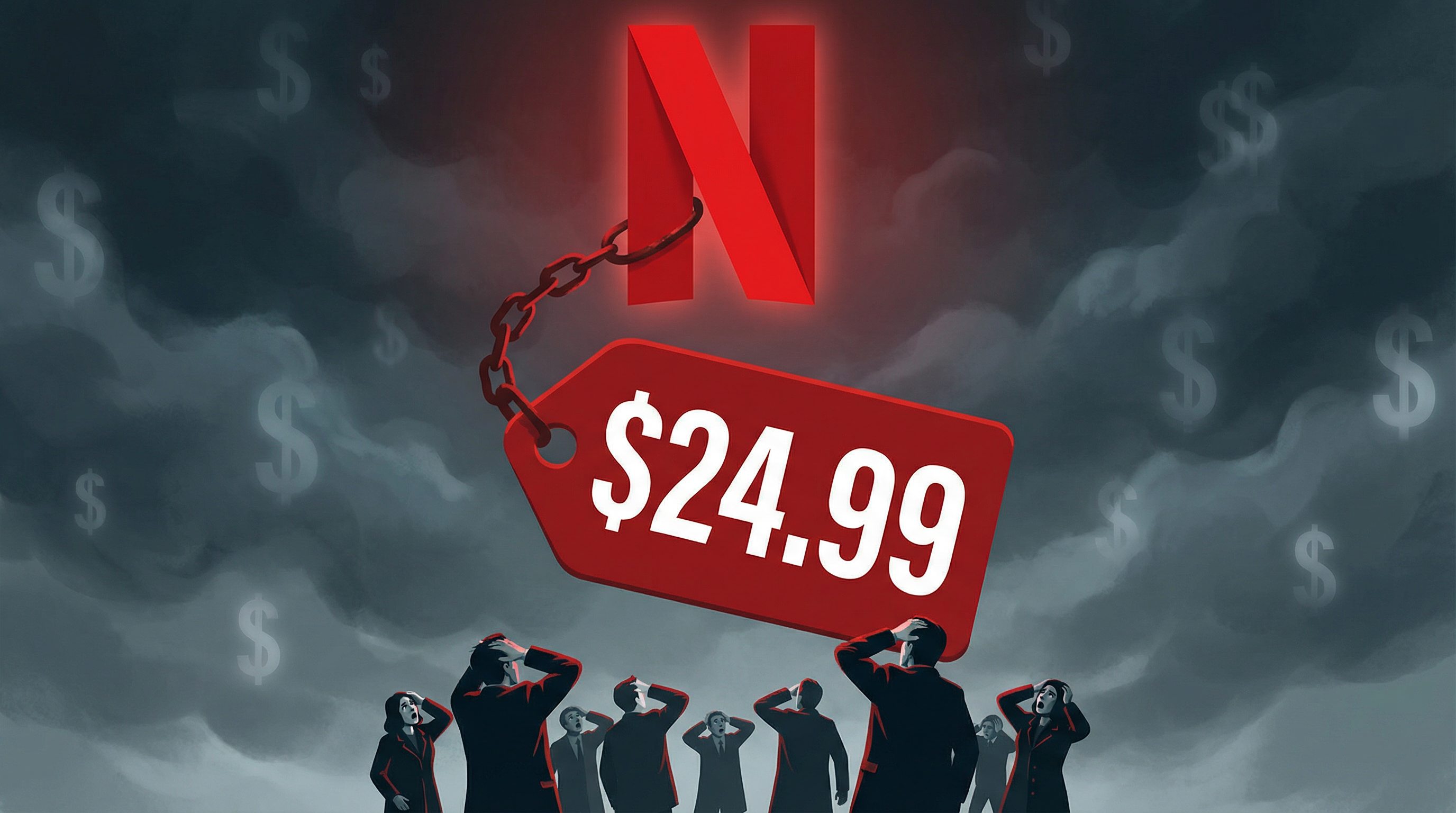
Netflix just hit $20 a month. That's the headline. That's the story. Everything else this week is just noise around that one brutal fact.
Twenty dollars. For one service. That's cable money. That's HBO money. That's "I'm paying for premium television" money. And Netflix isn't alone. Disney+, HBO Max, Paramount+ — they're all pricing their ad-free tiers at levels that make you question whether you actually want to watch anything badly enough to pay for it.
Here's the math that matters: If you want Netflix, Disney+, HBO Max, and Peacock all ad-free, you're paying $75 a month. Seventy-five dollars. But if you pick the ad-supported versions of those same services? Forty dollars. The ad tier is now the obvious choice. And that's exactly what the platforms want.
Three and a half years ago, Netflix's standard plan was $15.49. The ad tier was $6.99. Today? Standard is $19.99. Ad tier is $8.99. The gap has widened, but the math has flipped. The ad-free tier used to be the value play. Now it's the luxury option.
This isn't an accident. Advertising executives will tell you privately that streaming CPMs are double cable and broadcast TV. The platforms say they price ad-free and ad-supported tiers equally. But behind closed doors, ad tiers are quietly more profitable because of targeting, engagement data, and new ad products. Amazon Prime Video already figured this out — they turned ads on for everyone and now charge $5 a month to remove them. Apple is the only holdout, still ad-free except for sports. But give it time.
The golden age of cheap streaming is over. We're entering the surveillance capitalism phase. The platforms know everything about you, and they're going to monetize that knowledge.
Marvel's Daredevil Is Back — And It Matters More Than You Think
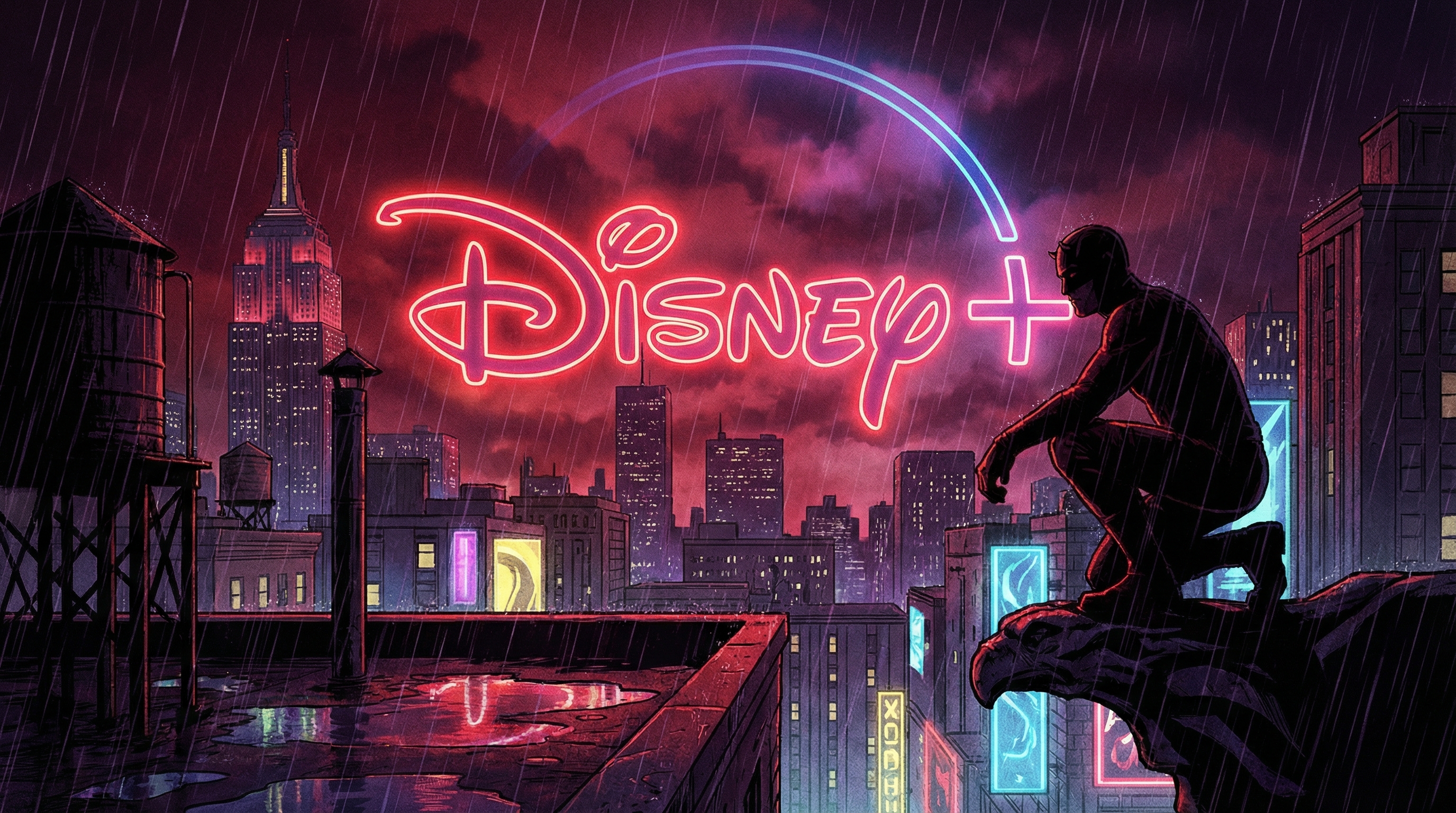
Daredevil: Born Again premiered on Hulu March 24, and it's the first major Marvel show to return since the Netflix era ended. This is Disney's way of saying: we own this now, and we're bringing it back on our terms.
The show is a test. Can Disney+ make prestige Marvel television work? Can they recapture the audience that loved the Netflix versions? The answer matters because Marvel is the foundation of Disney's streaming strategy. If Daredevil works, expect more Netflix-era Marvel shows to get revived. If it doesn't, Disney will quietly move on to the next thing.
The real story isn't the show itself. It's that Disney is betting on legacy content to drive subscriptions. They're not betting on new ideas. They're betting on nostalgia and the fact that people already know these characters.
Apple TV's "For All Mankind" Gets a Final Season — And It's a Reminder That Apple Doesn't Need Ads
Apple TV renewed "For All Mankind" for Season 6 (the final season), and Season 5 premiered March 27. This is Apple's strategy: fewer shows, higher quality, no ads. While Netflix is raising prices and pushing ads, Apple is doing the opposite. They're keeping prices low and keeping ads off.
Apple doesn't need streaming to make money. They make money on devices. Streaming is a service to keep people in the ecosystem. That's a fundamentally different business model than Netflix or Disney+. And it's why Apple can afford to be the outlier.
For All Mankind is prestige sci-fi. It's the kind of show that costs real money to make. But Apple is willing to make it because they're not trying to maximize short-term profitability. They're trying to keep people subscribed to their ecosystem.
This is the future of streaming: two tiers. The ad-supported tier for people who can't afford $20 a month. The Apple tier for people who are willing to pay a premium for no ads and no surveillance.
CBS News Radio Is Dead — And Nobody's Talking About It
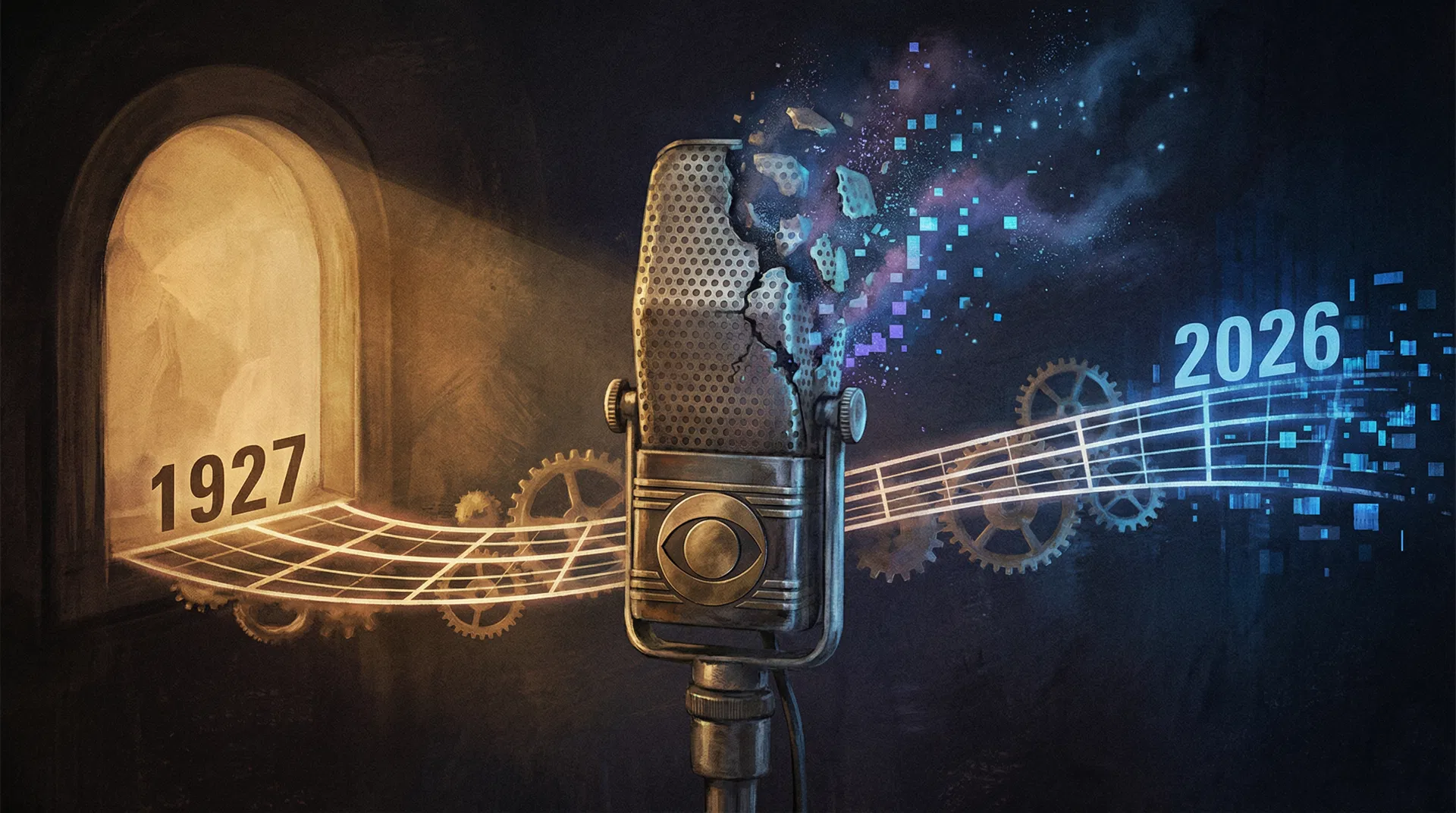
CBS News Radio is shutting down May 22. That's 99 years of broadcast journalism, gone. The company laid off 6% of its workforce (about 66 people) and informed approximately 700 affiliated stations that the service is ending.
CBS blamed "challenging economic times" and "changes in listening habits." Translation: nobody's listening to radio anymore. They're listening to podcasts. They're scrolling TikTok. They're streaming video. Radio is dead, and CBS finally admitted it.
This matters because radio was the original streaming service. Appointment media. News in your car, at work, at home. Intimate. Everywhere. Now it's dead because the business model broke. And CBS did the math: it costs more to keep it alive than to shut it down.
The LA Times published a story this week on the broader crisis in local TV news: layoffs, consolidation, shrinking ratings. The same thing is happening everywhere. Local news used to be the profit center for TV stations. Advertising was cheap, content was local, and the audience was captive. Then streaming happened. Then social media happened. Then everyone stopped paying attention.
Pew Research just dropped a bombshell March 26: 18-29 year olds in North America are ditching TV for search engines (28%) and TikTok (19%) when breaking news hits. They're not turning on the news. They're not opening a news app. They're Googling it or scrolling TikTok. That's where the news is now. And that's where it's going to stay.
The Paramount-Warner Bros Merger Vote Is Coming — And It's Going to Happen
Warner Bros Discovery shareholders will vote April 23 on Paramount Skydance's $110 billion acquisition. The deal is expected to close in Q3 2026. This is the final consolidation move. After this, there are only four major streaming platforms: Netflix, Disney+, Paramount-WBD, and Amazon Prime. Everyone else is fighting for scraps.
The combined company will control 40% of all acquired TV viewing on streaming. That's not competition. That's dominance. The DOJ sent subpoenas for an antitrust review, but everyone knows it's going to happen anyway. The industry is consolidating, and there's nothing anyone can do to stop it.
The Endgame
The streaming wars are over. Paramount won by buying Warner Bros. Netflix won by raising prices. Disney+ won by bundling. Apple won by staying out of it. The losers? Local news. Independent creators. Anyone who thought streaming would democratize media.
What's left is a consolidated industry where four companies control most of what you watch. And they're all raising prices. Welcome to the next phase.